

Frequently Asked Questions
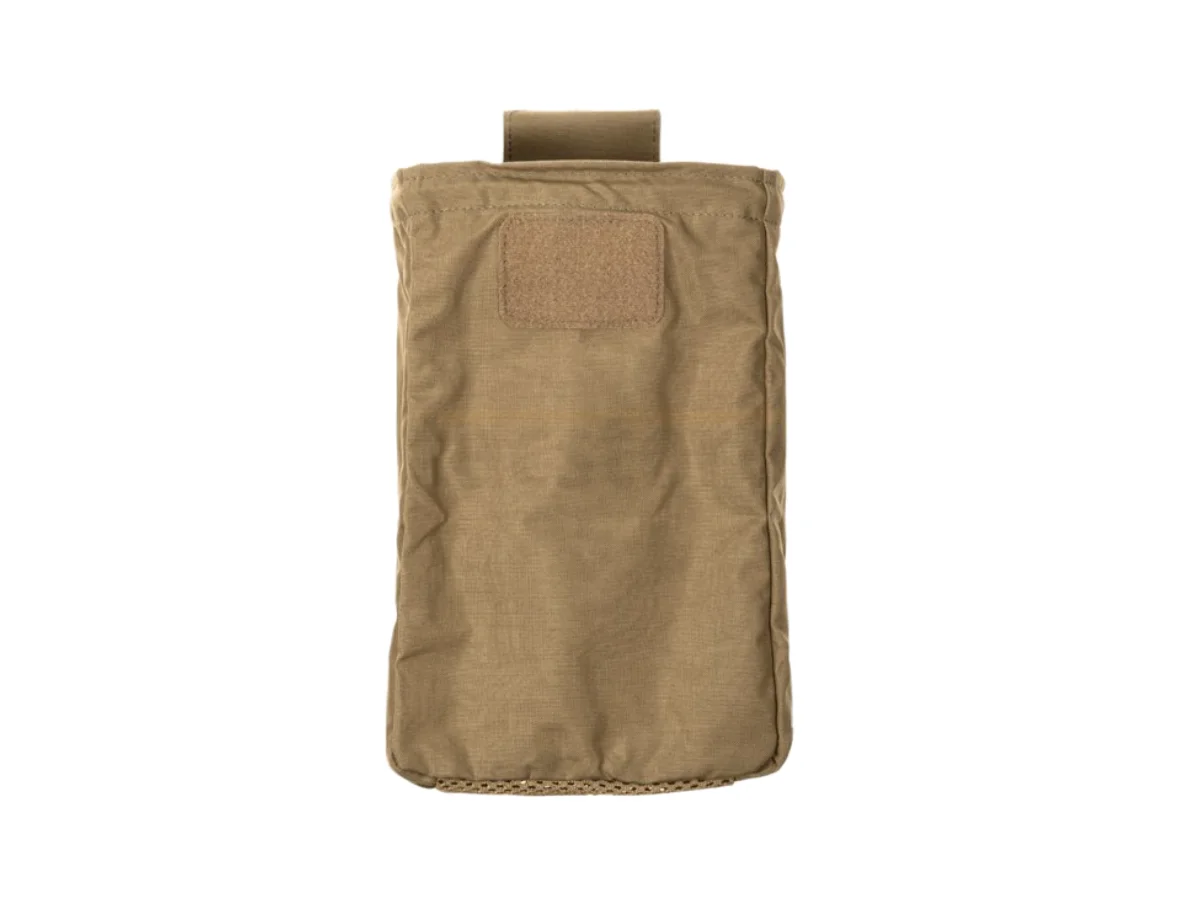
M-Tac Plate Carrier Lower Accessory Pouch Gen.II Elite Ranger Green
Product code: 10086823

Equipment Specifications
| Material | Cordura, YKK |
Product Description
The practical and functional Gen.II Elite pocket from M-TAC will perfectly complement your individual equipment set. The pocket is made of durable and high-quality Cordura 1000D material. The YKK zippers come from a world-renowned manufacturer of haberdashery accessories. This model also features a Velcro belt along the entire length of the pocket, which can be attached to the Velcro panel located under the flap of the Plate Carrier tactical vest or bulletproof vest, thereby increasing their functionality. The pocket has two compartments that allow you to store accessories in it. In the front, there is a Velcro panel sewn using Laser Cut technology, allowing you to attach additional equipment and insignias. At the bottom of the model, designers have added a flexible mount for a tactical lanyard. A compact and lightweight pocket will be very helpful when performing various tasks and will surely attract fans of modern tactical equipment.
|
Due to its unique qualities, Cordura is widely used in military, law enforcement, and special forces tactical equipment. It is primarily used in materials with a linear density of 1000D and 500D. Linear density is the ratio between the weight of the fabric and its length, measured in denier. This unit of measurement is mainly used for nylon fabrics. Therefore, the higher the denier index, the denser and heavier the material. The physical and technical characteristics of CORDURA 1000D are very high, with a breaking load of about 3000 N. Abrasion resistance is over 5000 cycles. It is used for clothing, backpacks, and tactical pockets. |
|
The YKK company is the world leader in fastening elements production. It produces 90% of all fastening elements at 71 factories worldwide. This is a group of Japanese companies whose brand was registered 70 years ago. YKK is translated from Japanese as "Yoshida's factory" - this was the name of the company's founder, who opened the production of fastening elements for clothing in the 1930s. Success was achieved through cooperation with top clothing brands and by applying extremely strict quality standards. Additionally, for a very long time, the machine for producing high-quality fastening elements was kept in the strictest secrecy. This helped the company quickly surpass its main competitors. |
|||
Reviews (0)
There are no reviews for this product yet.


 Continuă cu Google